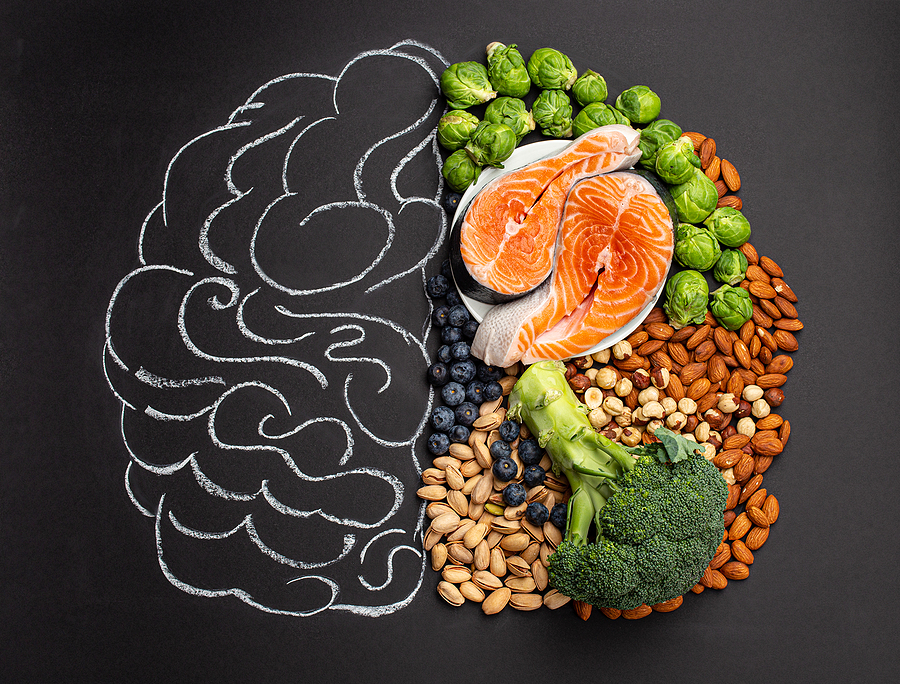
When caring for loved ones experiencing cognitive decline, families often focus on medical treatments and therapies. However, one of the most powerful tools for supporting brain health may be sitting right on the dinner plate. The connection between dementia and nutrition is increasingly clear, offering hope that thoughtful dietary choices can make a meaningful difference in the lives of those with memory impairments.
At The Moorings at Lewes, we understand that comprehensive memory care extends far beyond medications and clinical interventions. Our approach recognizes that nutrition for dementia patients plays a vital role in maintaining cognitive function, supporting overall wellness, and enhancing quality of life.
Understanding the Connection Between Diet and Memory
The brain is a remarkably hungry organ, consuming approximately 20% of the body’s energy despite representing only 2% of body weight. This means that brain health nutrition directly influences cognitive performance, mood regulation, and the brain’s ability to form and maintain neural connections.
Research consistently demonstrates that diet and memory are intimately connected. The foods we consume provide the building blocks for neurotransmitters, protect brain cells from oxidative damage, and influence inflammation levels throughout the body, including in the brain. For seniors living with Alzheimer’s disease or other forms of dementia, optimizing nutrition becomes even more critical as their brains work harder to maintain cognitive function.
Poor nutrition can accelerate cognitive decline, worsen behavioral symptoms, and compromise physical health. Conversely, a thoughtfully planned diet rich in specific nutrients can help slow progression, support remaining cognitive abilities, and improve overall well-being.
What Foods Help With Memory? The Brain-Boosting Essentials
Certain foods have earned their reputation as cognitive champions due to their unique nutritional profiles. When families ask what foods help with memory, we point them toward these evidence-backed options:
- Fatty Fish: Salmon, sardines, mackerel, and other cold-water fish are exceptional sources of omega-3 fatty acids, particularly DHA, which comprises a significant portion of brain tissue. These essential fats reduce inflammation and support communication between brain cells.
- Berries: Blueberries, strawberries, and blackberries are packed with flavonoids and antioxidants that protect brain cells from oxidative stress. Studies suggest that regular berry consumption may delay cognitive aging by up to two and a half years.
- Beans: Rich in fiber, beans help the stomach stay fuller longer and support the gradual release of sugar, which supports memory and concentration.
- Leafy Greens: Spinach, kale, and broccoli provide folate, vitamin E, and lutein. These nutrients are linked to slower cognitive decline and improved memory performance.
- Nuts and Seeds: Walnuts, in particular, contain brain-healthy fats and vitamin E. Just a handful of nuts daily can support cognitive function and provide sustained energy.
- Whole Grains: Oatmeal, quinoa, brown rice, and whole wheat provide steady glucose to the brain, avoiding the spikes and crashes associated with refined carbohydrates.
What Vitamin Helps With Memory? Key Nutrients for Cognitive Health
When considering what vitamin helps with memory, several nutrients stand out as particularly important for senior nutrition and brain function:
- B Vitamins: B6, B12, and folate work together to regulate homocysteine levels, which, when elevated, are associated with increased dementia risk. These vitamins also support neurotransmitter production and energy metabolism in the brain.
- Vitamin D: Often called the “sunshine vitamin,” vitamin D receptors are found throughout the brain. Deficiency has been linked to accelerated cognitive decline, underscoring the importance of adequate intake for memory care residents.
- Vitamin E: This powerful antioxidant protects cell membranes from oxidative damage. Some research suggests high vitamin E intake may slow functional decline in people with Alzheimer’s disease.
- Vitamin C: Beyond immune support, vitamin C protects against oxidative stress and supports the production of neurotransmitters essential for memory and learning.
At The Moorings at Lewes, our culinary team works closely with nutritionists to ensure meals naturally incorporate these vital nutrients, creating dishes that are both delicious and cognitively supportive.
The Mediterranean and MIND Diets: Gold Standards for Brain Health
Two dietary patterns have emerged as particularly beneficial for cognitive health: the Mediterranean diet and the MIND diet (Mediterranean-DASH Intervention for Neurodegenerative Delay).
The Mediterranean diet emphasizes vegetables, fruits, whole grains, legumes, fish, and healthy fats while limiting red meat and processed foods. This eating pattern has been associated with reduced Alzheimer’s risk and slower cognitive decline.
The MIND diet combines elements of Mediterranean and DASH (Dietary Approaches to Stop Hypertension) eating patterns, specifically targeting brain health. It prioritizes ten brain-healthy food groups while limiting five unhealthy ones. Research shows that even modest adherence to the MIND diet can significantly reduce dementia risk.
Nutrition Strategies in Memory Care Settings
Implementing proper nutrition for dementia patients requires more than simply serving healthy foods. Memory care dining must address the unique challenges posed by cognitive impairment.
- Sensory Enhancement: We use visual cues, such as colorful vegetables and aromatic herbs, to stimulate appetite, as dementia can dull sensory perception.
- Simplified Choices: Too many options can overwhelm residents. Our dining program offers appealing choices without creating decision fatigue.
- Finger Foods: As motor skills decline, finger foods that are easy to handle promote independence and adequate intake.
- Consistent Routines: Familiar meal times and settings reduce anxiety and support better eating habits.
- Hydration Focus: Dehydration can worsen confusion and mimic dementia symptoms. We actively encourage fluid intake throughout the day.
- Nutrient Density: Every bite counts. Our chefs create dishes that pack maximum nutrition into appealing portions.
The Moorings at Lewes Approach to Brain-Healthy Dining
At The Moorings at Lewes, senior nutrition is not an afterthought. Our dining program reflects our commitment to using food as medicine while honoring the joy and social connection that shared meals provide.
Our culinary team prepares fresh, seasonal meals that incorporate brain-boosting ingredients without sacrificing flavor or appeal. We understand that the best diet and memory support plan is one that residents actually enjoy and look forward to.
We also recognize that dementia and nutrition challenges are highly individual. Some residents experience changes in appetite, while others may forget they’ve eaten. Our trained team provides personalized support, ensuring each resident receives adequate nutrition while respecting their dignity and preferences.
Beyond the plate, we create a dining atmosphere that supports cognitive function through familiar routines, appropriate stimulation levels, and opportunities for social engagement—all of which contribute to overall well-being.
Moving Forward With Memory-Focused Nutrition
The relationship between brain health and cognitive function offers tremendous hope for improving the quality of life for those living with dementia. While diet alone cannot prevent or cure these conditions, evidence shows that nutritional strategies can make a meaningful difference in cognitive outcomes and daily functioning.
If you’re exploring memory care options for a loved one, we invite you to experience the difference at The Moorings at Lewes. Our comprehensive approach combines clinical excellence with compassionate care and evidence-based nutritional strategies to support every aspect of brain health and well-being.
To learn more about our memory care program and brain-healthy dining options, please contact The Moorings at Lewes to schedule a personal tour and discover how we can support your family’s journey.